How to Track Pap, Chakalaka and South African Meals
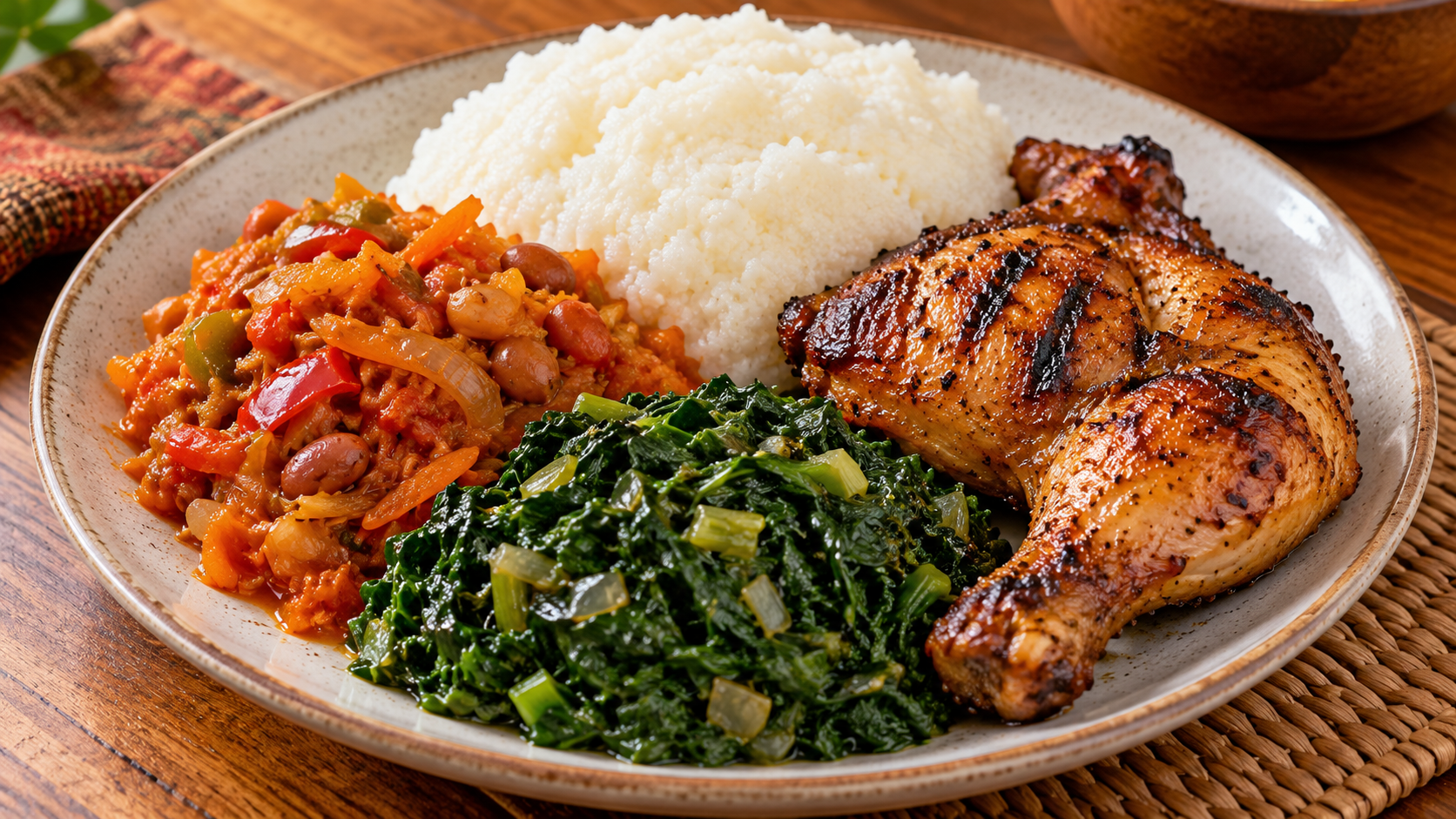
Pap, chakalaka and braai plates can vary with the pap portion, meat cut, sauce and cooking method. Record the components on your plate rather than treating the meal name as one fixed serving.
This is a practical tracking guide, not medical advice. Restaurant recipes and home portions vary, so do not treat a photo estimate or a database entry as an exact measurement.
South African meals worth logging as parts
The starch, meat, sauces and vegetable sides are the useful building blocks.
- Pap and chakalaka: record the pap serving, chakalaka, beans and added oil separately.
- Braai plate: note the meat cut, skin, sausage, marinade and sides.
- Morogo and vegetables: record added oil, onion, sauce and starchy sides as well as the greens.
A practical way to track the meal
- Start with pap, rice, bread or potato portion.
- Add the specific meat, sausage or beans and cooking method.
- Record chakalaka, gravy, sauce and visible oil separately.
- Use a repeatable plate or bowl reference for home meals.
Use the local food database when you need a number
SAFOODS provides South African food-composition data per 100 g for commonly consumed foods. Choose the closest entry and portion, while recognising that home and restaurant recipes remain variable.
Where Calorie Coach Me fits
Calorie Coach Me can make a first, approximate estimate from a meal photo. Review the dish name, ingredients and portion before you save it—especially oil, broth, sauces and rice. Try a free meal preview on the web or use the Android app to keep a meal log.
FAQ
Is pap a fixed serving?
No. Bowl size and what is eaten with it can change the meal.
Should I include braai sauces and sides?
Yes. Sauces, sausages, salads and starches are part of the meal record.
Try it
Get the Android app Kostenlos im Web testen
Sources
The linked source is a country-specific food-composition resource. It supports ingredient and prepared-food lookup; it does not turn a variable home or restaurant recipe into one exact number.
Last reviewed: 24. Oktober 2026